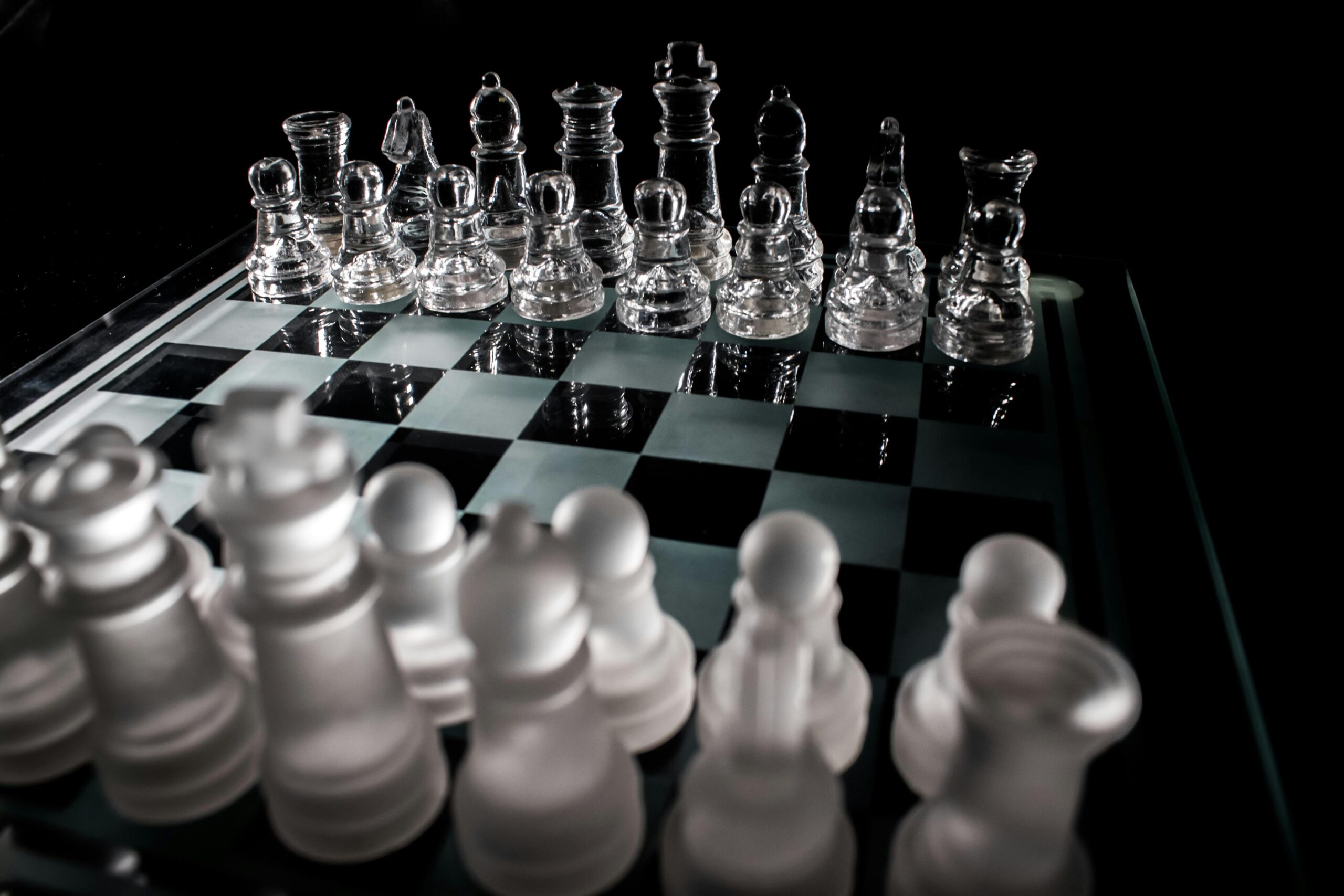

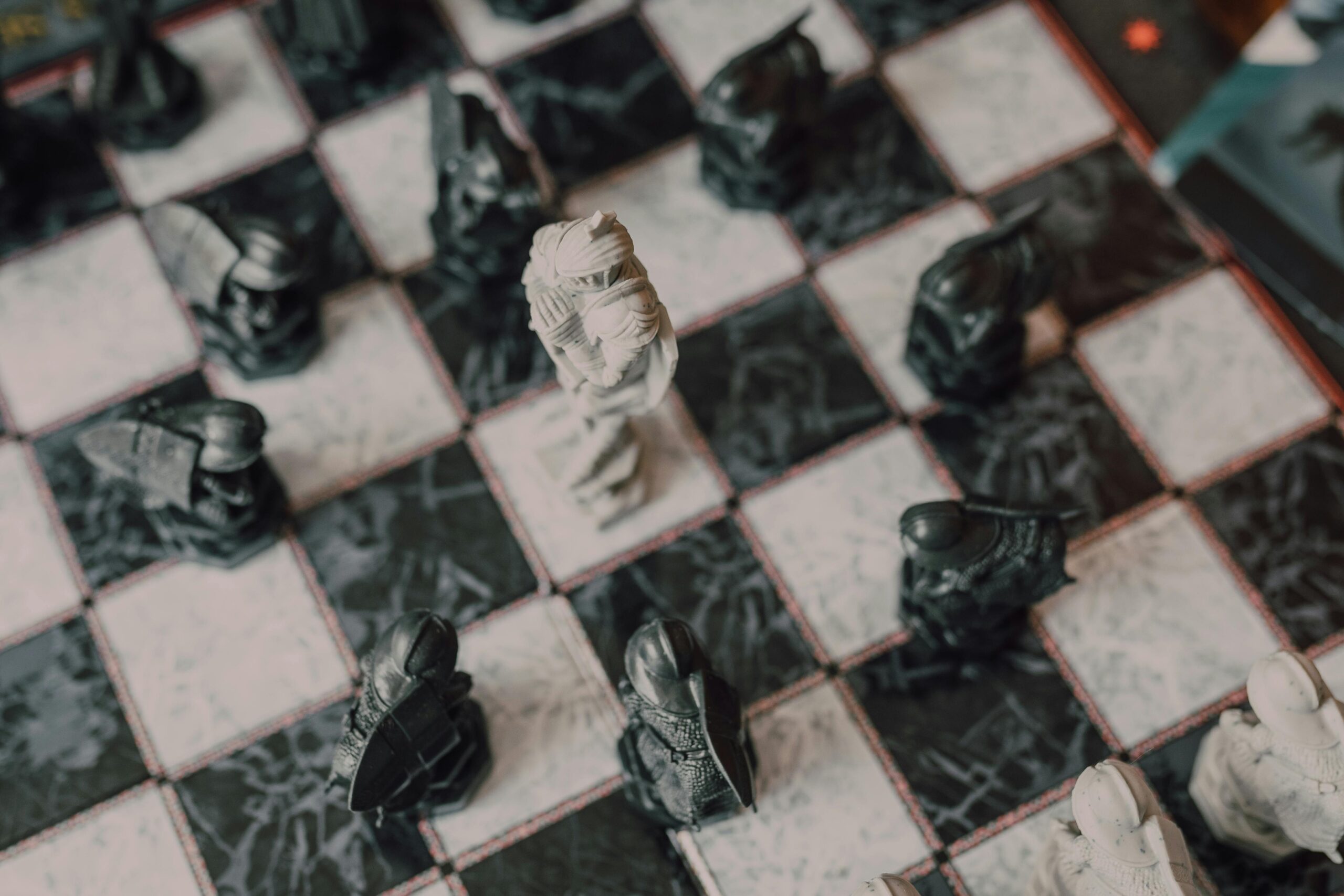
Introduction to Marble Chess Board
A marble chess board serves as a stunning and resilient playing surface for the timeless game of chess. Renowned for its sophisticated look and robust build, a marble chess board merges practicality with aesthetic charm. Numerous chess aficionados value marble boards not only for their gameplay but also for their role as decorative art pieces in residences or workplaces.
The inherent patterns present in marble provide each marble chess board with a distinctive appearance. No two boards are identical due to the natural veins and color differences in the stone. This organic allure is a significant factor in the continued popularity of marble chess boards among collectors and chess enthusiasts.
A marble chess board symbolizes both heritage and artistry, making it an enduring selection for those who cherish the game of chess.
What Is a Marble Chess Board
A marble chess board is primarily constructed from marble stone. The board showcases alternating light and dark squares, which create the conventional chessboard design utilized in the game. These squares are typically formed by merging two distinct types of marble or by carving and polishing the stone to accentuate the color contrast.
In contrast to wooden or plastic boards, a marble chess board possesses a solid and weighty structure. The heft of the stone provides stability during play and minimizes the likelihood of movement.
Many marble chess boards are accompanied by chess pieces crafted from marble or other stone materials. These pieces enhance the board and establish a visually harmonious set.
The outcome is a chess set that is both practical for gameplay and visually appealing for display.
History of the Marble Chess Board
The marble chess board has a rich association with traditional craftsmanship. Stone has been utilized in art and architecture for centuries, and marble has consistently been esteemed for its beauty and resilience.
As chess gained immense popularity, craftsmen began to produce boards from a range of materials, including marble. Stone boards were particularly esteemed for their fusion of the strategic game of chess with artistic flair.
Historically, marble chess boards were frequently handcrafted by skilled artisans who meticulously cut and polished the stone. Each square needed to be shaped with precision to uphold the standard chessboard design.
As time progressed, marble chess boards evolved into emblems of elegance and sophistication. In contemporary times, they remain valued for their timeless aesthetic and robust construction.
Characteristics of a Marble Chess Board
A marble chess board possesses several unique attributes that distinguish it from other chess board types. One of the most prominent features is its weight. Marble, being a dense stone, provides the board with a sturdy and stable framework.
Another notable characteristic is the polished surface. Typically, marble boards are polished to achieve a smooth finish that accentuates the natural patterns of the stone. This polished look contributes a sense of luxury to the chess set.
The color contrast between the squares is also a significant aspect of a marble chess board. Light and dark marble pieces are arranged in a checkerboard pattern that adheres to the conventional layout utilized in chess.
Due to marble being a natural material, each board showcases unique veins and textures that cannot be exactly replicated.
Materials Used in Marble Chess Boards
The main material utilized in a marble chess board is the marble stone itself. Marble is available in a variety of colors, such as white, black, green, and beige. These diverse hues enable artisans to create striking contrasts between the squares of the board.
For instance, a typical design incorporates white marble for the light squares and black marble for the dark squares. This pairing results in a timeless and visually attractive chessboard pattern.
In certain instances, other varieties of natural stone may also be integrated to enhance the overall design. These materials can introduce additional colors or patterns that render the board more decorative.
The quality of the marble and the accuracy of the craftsmanship are crucial factors in determining the final look of a marble chess board.
Decorative Value of a Marble Chess Board
One of the primary reasons individuals opt for a marble chess board is its aesthetic appeal. The sophisticated design and inherent beauty of marble render the board appropriate for display in living rooms, offices, or libraries.
A marble chess board can act as a focal point on a coffee table or display shelf. Even when not in use, the board and pieces enhance the overall visual appeal of a space.
Interior designers frequently value marble chess boards for their ability to harmonize with various decorative styles. Whether the setting is traditional or contemporary, a marble chess board can infuse a sense of elegance.
This blend of functionality and artistic charm is one of the reasons marble chess boards continue to be favored.
Playing Chess on a Marble Chess Board
While marble chess boards are often regarded as decorative pieces, they are entirely functional for playing chess. The smooth surface of the marble facilitates the easy movement of pieces from one square to another.
The weight of the board contributes to its stability during gameplay, which can enhance the overall experience. Many players appreciate the substantial feel of marble in contrast to lighter materials.
Chess pieces designed for use with a marble chess board are sometimes crafted from the same stone, resulting in a cohesive and elegant set. These pieces typically feature a polished finish that complements the board.
Engaging in a game of chess on a marble chess board can impart a more refined and traditional atmosphere.
Advantages of Marble Chess Boards
A marble chess board presents numerous benefits that render it appealing to chess aficionados. A primary benefit is its durability. Marble is a robust material that can endure for many years when properly cared for.
Another benefit is its aesthetic charm. The inherent patterns and polished surface of marble result in a board that appears sophisticated and distinctive.
Stability is yet another significant advantage. Due to its weight, a marble board remains securely in position during play.
These attributes render a marble chess board a durable and visually captivating option for chess players and collectors.
Caring for a Marble Chess Board
Proper maintenance is crucial to preserve the beauty and condition of a marble chess board. As a natural stone, marble should be treated with care to prevent scratches or damage.
Regular cleaning with a soft cloth aids in removing dust and maintaining the board’s polished appearance. It is advisable to avoid harsh chemicals, as they may harm the marble’s surface.
Additionally, it is beneficial to store the board in a stable environment, shielded from extreme temperatures or moisture.
With appropriate care, a marble chess board can retain its elegance and functionality for many years.
Collecting Marble Chess Boards
Numerous collectors value marble chess boards for their artistic merit and craftsmanship. Each board showcases unique patterns formed by the natural characteristics of the stone.
Collectors typically seek boards that exhibit high-quality marble and meticulous construction. The allure of the stone and the symmetry of the chessboard design enhance the appeal of these sets.
Some collectors display various marble chess boards as part of a decorative collection. These boards may differ in color, size, and design.
The fusion of artistic beauty and practical design renders marble chess boards attractive to collectors globally.