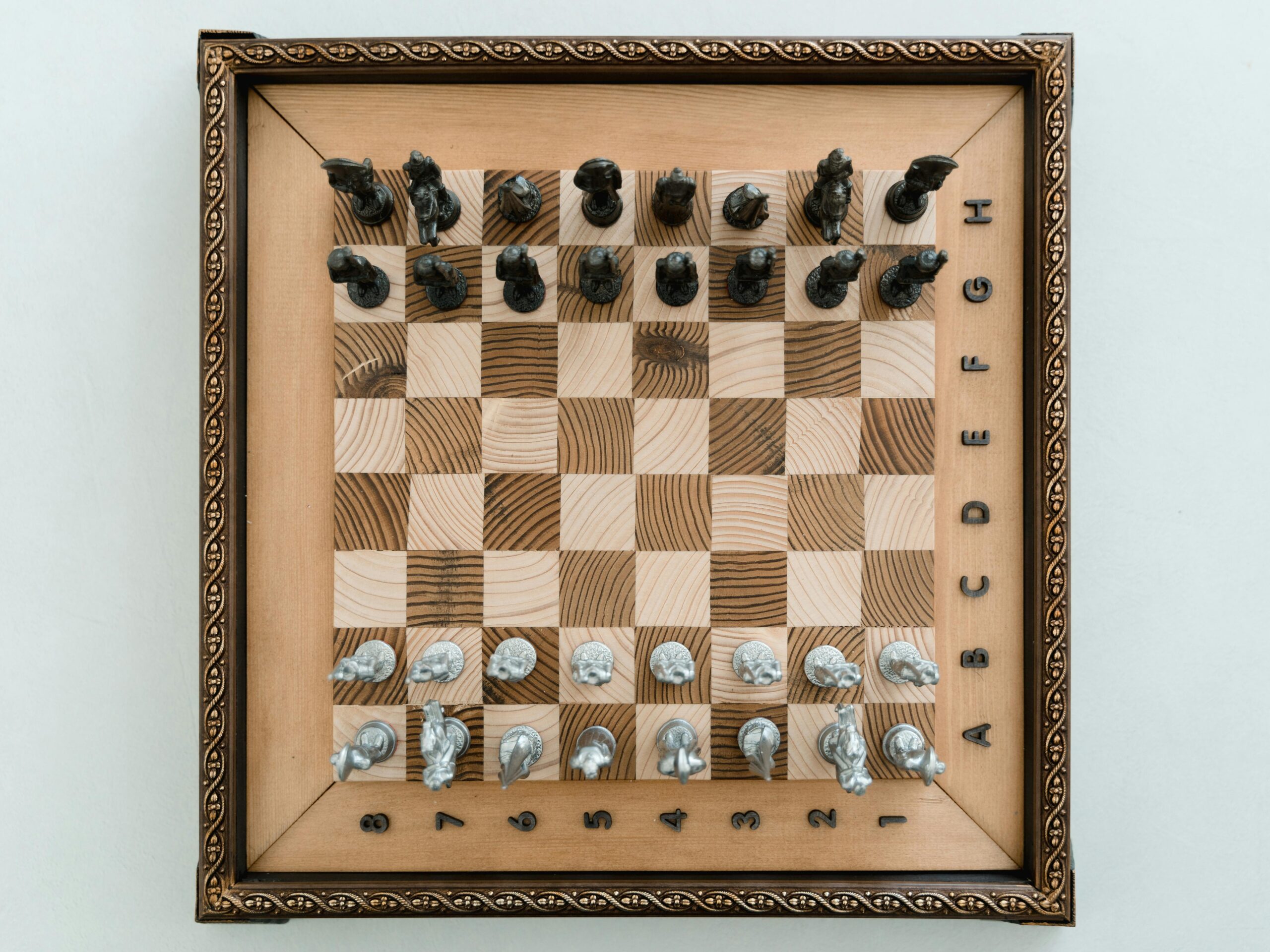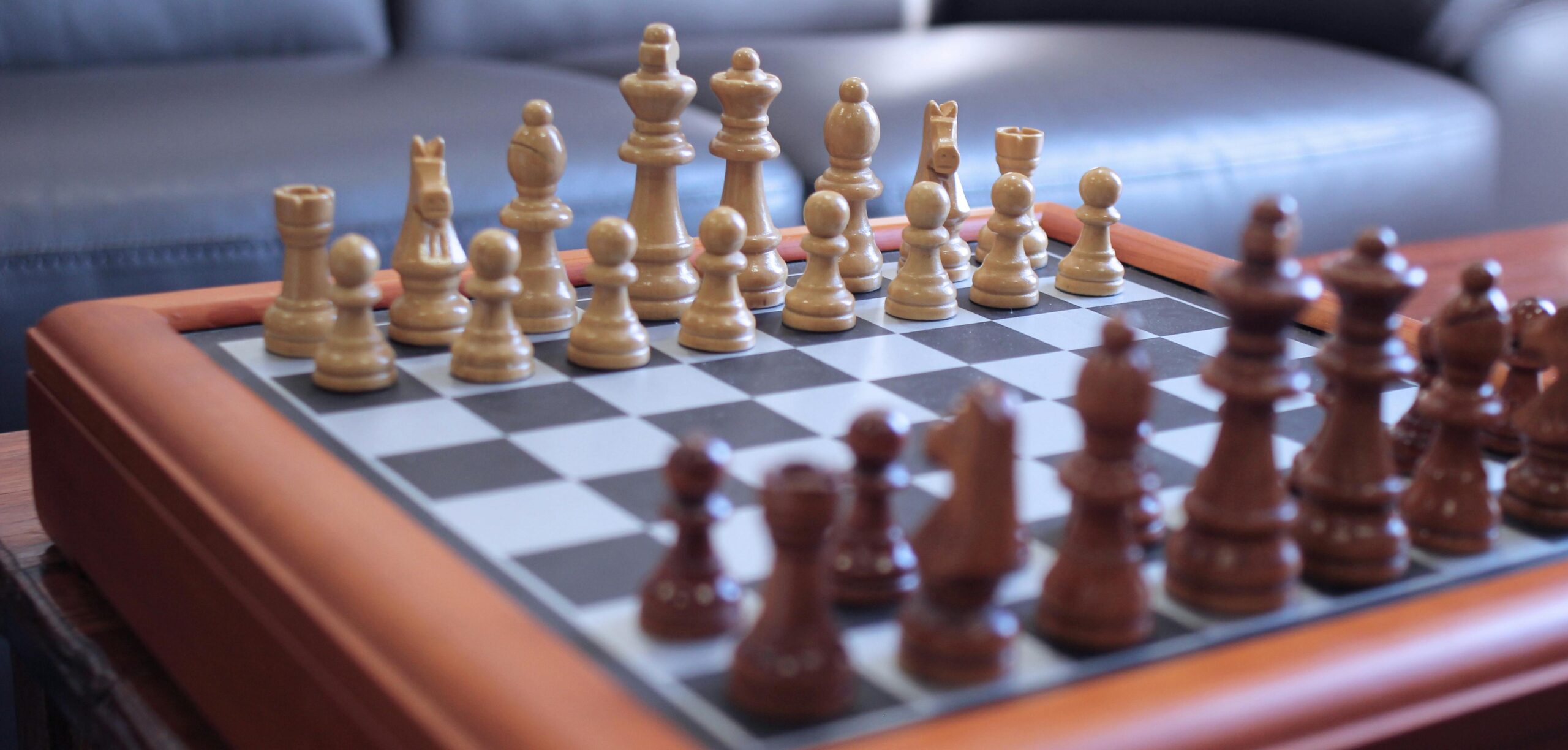

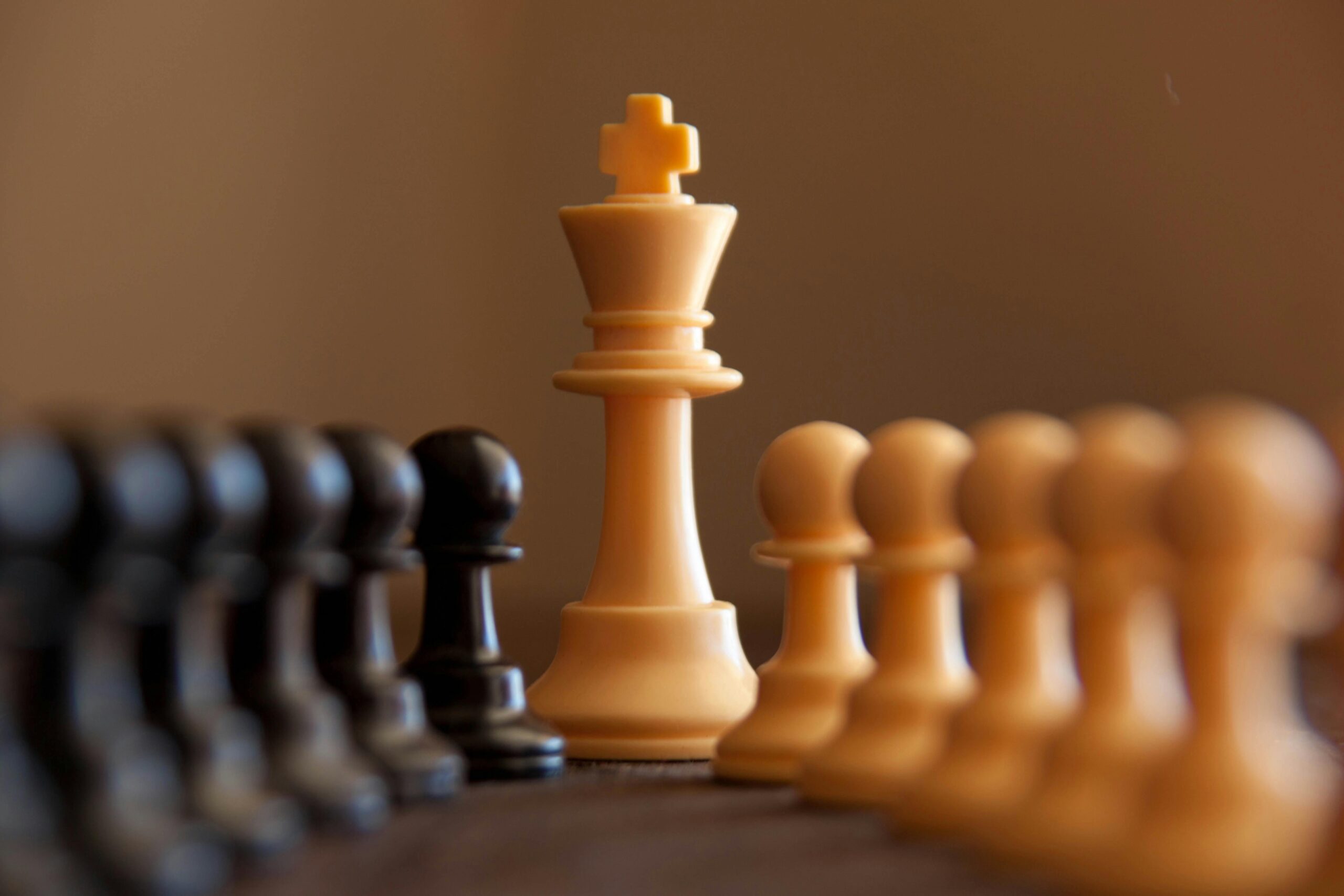
The pawn chess piece is the most numerous and one of the most significant pieces on the chessboard. In a typical chess game, each player starts with eight pawns positioned on the second rank in front of the other pieces. While the pawn is regarded as the weakest piece on its own, it plays a vital role in controlling space, safeguarding stronger pieces, and influencing the overall strategy of the game.
Numerous chess players assert that comprehending the pawn chess piece is crucial for enhancing one’s chess skills. Pawns affect the board’s structure and frequently dictate how the remainder of the game progresses. Although they may seem straightforward at first glance, pawns have distinctive capabilities that render them formidable when utilized effectively.
What Is the Pawn Chess Piece?
The pawn chess piece is the smallest and most prevalent piece in a chess match. Each side commences with eight pawns aligned in a row directly in front of the major pieces. Their primary function is to advance forward, control key squares, and assist other pieces throughout the game.
In contrast to other chess pieces, the pawn chess piece has restricted movement. Nevertheless, this limitation is counterbalanced by its capacity to impact the position of the entire board. Pawns frequently establish structures that dictate the course of the game, making them indispensable for both offensive and defensive strategies.
Even though the pawn chess piece begins as the least powerful unit, it possesses the remarkable ability to transform into a more powerful piece if it successfully reaches the far end of the board.
Movement of the Pawn Chess Piece
The pawn chess piece exhibits a distinct mode of movement compared to other pieces in chess. Its movement regulations are straightforward yet unique.
A pawn advances one square at a time. However, on its initial move, the pawn chess piece has the choice to advance two squares forward instead of just one. This exceptional first move enables pawns to swiftly occupy space on the board.
Another distinctive rule pertains to how the pawn chess piece captures opposing pieces. Unlike most pieces that capture by moving into the same square they typically occupy, pawns capture in a diagonal manner. A pawn can capture an adversary’s piece that is positioned one square diagonally in front of it.
Due to these movement regulations, the pawn chess piece generates intriguing tactical scenarios throughout the game.
The Importance of the Pawn Chess Piece
Despite the limited movement of each pawn chess piece, pawns significantly influence the configuration of the board. The positioning of pawns often affects the overall strategy of the game.
Pawns govern crucial squares and can obstruct the movement of other pieces. A well-structured pawn formation can safeguard valuable pieces and establish robust defensive positions.
Additionally, the pawn chess piece assists players in mounting attacks. When pawns advance in unison, they can create openings for other pieces and exert pressure on the opponent’s position.
Numerous renowned chess strategies are centered around pawn structure. Players frequently strategize their moves meticulously to uphold strong pawn formations.
Pawn Structure in Chess
Pawn structure pertains to the arrangement of pawns on the board. Given that the pawn chess piece cannot retreat, every pawn move irrevocably alters the structure of the game.
A solid pawn structure offers stability and control over vital squares. When pawns are positioned effectively, they support one another and form formidable defensive positions.
Conversely, a weak pawn structure can undermine a player’s position. For instance, isolated pawns or doubled pawns may become targets for the opponent.
Special Move of the Pawn Chess Piece
The pawn chess piece is governed by a unique rule known as “en passant.” This particular move takes place under certain conditions when an opposing pawn advances two squares forward from its initial position.
If that pawn lands adjacent to another pawn, the opposing pawn is granted the chance to capture it as if it had only moved one square forward. This capture must occur immediately on the subsequent move, or the opportunity will be lost.
The en passant rule introduces an additional layer of strategy to pawn play and prevents players from evading pawn captures by executing two-square moves.
Pawn Chains
A pawn chain is established when pawns protect one another diagonally. In this arrangement, each pawn provides support to the one in front of it, forming a robust defensive structure.
Pawn chains can complicate matters for opponents attempting to penetrate the position. Since each pawn is safeguarded by another, capturing one may leave the attacking piece vulnerable to a counterattack.
The pawn chess piece is pivotal in forming these chains, which frequently dictate the strategic course of the game.
Weak Pawns
Not every pawn position is advantageous. At times, the pawn chess piece can become a liability if it lacks proper defense.
For instance, an isolated pawn is one that has no neighboring pawns on adjacent files. Without the backing of other pawns, it can easily become a target for enemy pieces.
Another instance is doubled pawns, which arise when two pawns from the same side occupy the same file. These pawns are unable to defend each other effectively and may restrict the movement of other pieces.
Identifying weak pawns is a crucial aspect of chess strategy, as players can exploit these vulnerabilities to secure an advantage.
Pawn Endgames
In numerous chess matches, the concluding phase is determined by pawn endgames. When the majority of pieces have been removed from the board, the pawn chess piece frequently emerges as the most significant factor.
In pawn endgames, players concentrate on pushing their pawns forward while simultaneously hindering the opponent’s pawns from reaching promotion. Precise calculation and meticulous planning are crucial during this phase.
Even a solitary pawn advantage can suffice to secure victory if utilized properly. Proficient players recognize how to develop passed pawns and guide them towards promotion.
Passed Pawns
A passed pawn refers to a pawn that faces no opposing pawns obstructing its route to promotion. With no enemy pawns positioned in front of it or on adjacent files, it can progress towards the final rank with greater ease.
The pawn chess piece becomes particularly formidable when it evolves into a passed pawn. Opponents frequently must allocate pieces to thwart it, which can generate chances elsewhere on the board.
Passed pawns are frequently regarded as one of the most potent assets in chess due to their capacity to evolve into more powerful pieces.
The Value of the Pawn Chess Piece
In chess, each piece is typically assigned a relative value. The pawn chess piece is generally valued at one point. Although this may appear minimal in comparison to other pieces, pawns hold significant importance when viewed collectively.
A cluster of strategically positioned pawns can dominate extensive areas of the board and facilitate robust attacks. Numerous games hinge on pawn advantages or deficiencies in pawn structure.
Since pawns are unable to move backward, every pawn move must be contemplated with care. Once a pawn advances, the alteration in structure is irreversible.
Learning to Use the Pawn Chess Piece
Enhancing one’s chess skills necessitates a comprehension of how to utilize the pawn chess piece effectively. Players must discern when to advance pawns, when to maintain their position, and how to establish strong pawn formations.
Analyzing classic chess matches can assist players in grasping how seasoned players employ pawns to exert control over the board. Many renowned victories have been founded on robust pawn structures and well-timed pawn advancements.
Practicing pawn endgames is also helpful because it teaches players how to maximize the potential of their pawns.